 freeman4u16
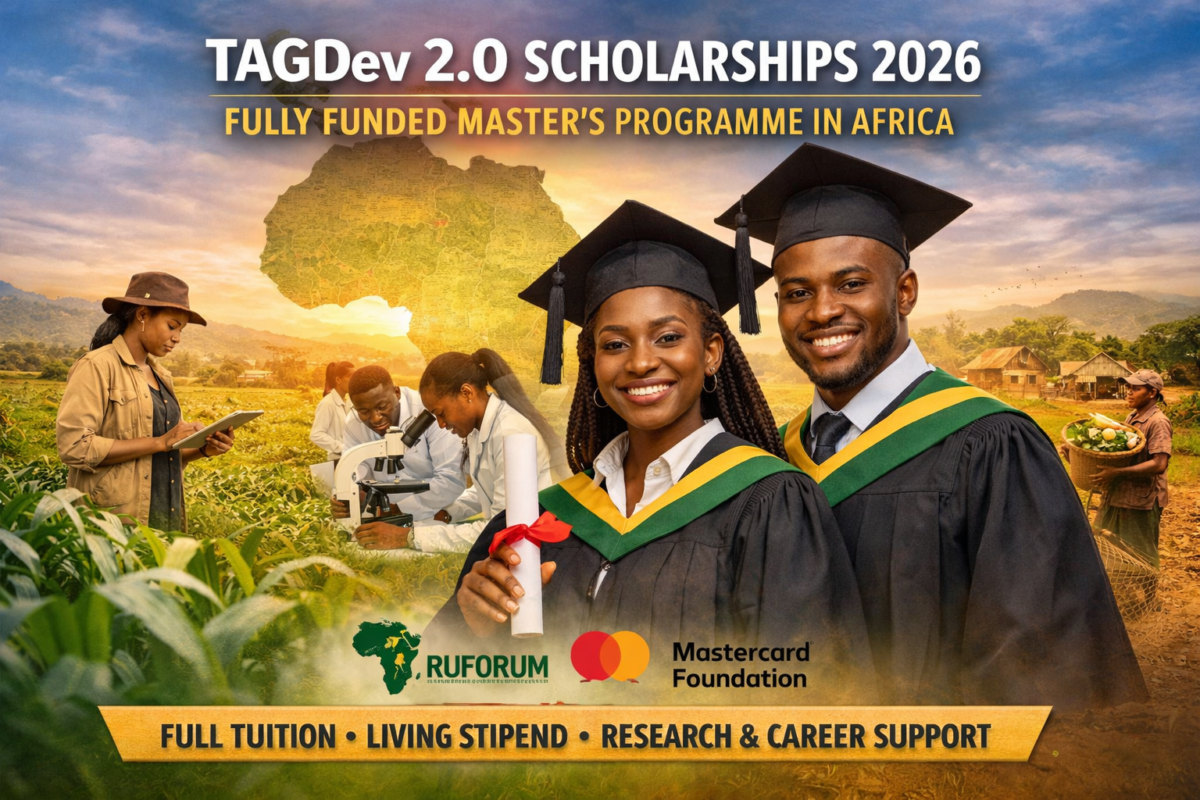
Every year, thousands of talented African students set their sights on graduate study abroad — only to be held back by one obstacle: funding. The good news is that fully funded Master’s scholarships for African students exist in abundance, sponsored by governments, universities, foundations, and international organisations that actively want to see more African voices in classrooms and research labs around the world. This guide walks through why these scholarships matter, the main categories available, the most reputable programmes to apply for, and how to build an application that actually stands out.
Why Master’s Scholarships Matter for African Students
Graduate education is one of the fastest ways to shift a career trajectory, but the cost of a Master’s degree — tuition, housing, flights, health insurance — can run into tens of thousands of dollars. For most students on the continent, that price tag alone rules out postgraduate study, regardless of how strong their academic record is.
Scholarships close that gap. They don’t just cover fees; the best ones cover full tuition, a living stipend, travel costs, and sometimes even funding for a laptop, research trips, or family allowances. Beyond the financial relief, a scholarship often comes with a built-in professional network, mentorship, and a level of international recognition that opens doors long after graduation. For many recipients, a scholarship is the single decision point that determines whether an advanced degree happens at all.
Categories of Master’s Scholarships Available to African Students
Not all scholarships work the same way. Understanding the categories helps you target the right opportunities instead of applying at random.
1. Government-Funded Scholarships
2. University-Specific Scholarships
Many universities set aside scholarships specifically for international or African applicants, funded through endowments, alumni donations, or institutional budgets. These range from full tuition waivers to partial fee reductions, and are usually applied for at the same time as the admission application.
3. Foundation and NGO-Funded Scholarships
4. Regional and Multilateral Scholarships
Top Master’s Scholarships for African Students
Mastercard Foundation Scholars Program
One of the largest scholarship initiatives dedicated to Africa, this programme partners with universities across Africa, Canada, the UK, and beyond to offer fully funded undergraduate and Master’s scholarships. It covers tuition, accommodation, travel, and a living stipend, and places strong emphasis on leadership development and giving back to local communities after graduation.
Chevening Scholarships (United Kingdom)
Funded by the UK Foreign, Commonwealth and Development Office, Chevening offers fully funded one-year Master’s study at any UK university for future leaders, influencers, and decision-makers. It covers tuition, a monthly stipend, travel costs, and additional grants, and is open to applicants from dozens of African countries.
DAAD Scholarships (Germany)
Germany’s DAAD (German Academic Exchange Service) runs several programmes aimed specifically at students from developing countries, including the EPOS scholarships for postgraduate studies in development-related fields. Many German Master’s programmes are also tuition-free even without a scholarship, making DAAD stipends (which cover living costs, insurance, and travel) especially valuable.
Commonwealth Scholarships
Available to students from Commonwealth countries in Africa, this UK government-funded scheme supports Master’s and PhD study with a focus on development impact. It fully funds tuition, airfare, a personal maintenance allowance, and other grants, and specifically prioritises candidates who plan to apply their studies to development challenges at home.
Erasmus Mundus Joint Master Degrees (European Union)
These EU-funded scholarships fund Master’s programmes that are jointly delivered by universities in at least two European countries, meaning scholars often study in two or three countries during a single degree. Funding covers tuition, travel, installation costs, and a monthly stipend, and the programme is one of the most generous options for students from any developing region, including Africa.
Fulbright Foreign Student Program (United States)
Fulbright funds Master’s and PhD study at US universities for students from over 160 countries, including nearly every African nation. Awards cover tuition, airfare, a living stipend, and health insurance, and Fulbright alumni networks are influential across academia, government, and business worldwide.
Gates Cambridge Scholarship (United Kingdom)
Funded by the Bill and Melinda Gates Foundation, this highly selective scholarship funds full-time postgraduate study at the University of Cambridge for outstanding students from outside the UK. It covers full tuition, a maintenance allowance, and additional discretionary funding, and looks for applicants with a strong commitment to improving the lives of others.
Australia Awards Scholarships
Targeted at students from Africa, the Pacific, and parts of Asia, these Australian government scholarships fund full Master’s study at Australian universities, including tuition, return airfare, a living allowance, and health cover, with a focus on fields relevant to development priorities in the recipient’s home country.
MEXT Scholarships (Japan)
The Japanese government’s MEXT scholarship funds Master’s study at Japanese universities, covering tuition, a monthly stipend, and airfare. It’s a strong option for students interested in engineering, technology, and the sciences, and typically includes a preparatory year of Japanese language study for those who need it.
How to Build a Winning Scholarship Application
1. Start Early and Track Deadlines
The strongest applications are rarely written in a rush. Build a spreadsheet of every scholarship you’re eligible for, along with opening dates, deadlines, and required documents, so nothing catches you off guard.
2. Nail the Personal Statement
This is the single most important document in most applications. Selection committees read hundreds of statements that all claim the applicant is ‘passionate’ and ‘hardworking’ — yours needs to go further. Use specific stories and measurable outcomes: a project you led, a problem you solved, a community you impacted. Tie your past experience directly to your proposed field of study and to a clear plan for what you’ll do with the degree afterward, especially if the scholarship prioritises development impact back home.
3. Choose Recommenders Who Know You Well
A detailed, specific letter from a lecturer or supervisor who can speak to your actual work will always outweigh a generic letter from someone more senior who barely knows you. Give your recommenders plenty of notice, and share your personal statement and CV with them so their letter can reinforce, rather than repeat, your own narrative.
4. Tailor Every Application
Avoid the temptation to send the same generic essay to every scholarship. Each programme has its own mission — leadership, development impact, academic excellence, cultural exchange — and your essay should speak directly to that mission using the scholarship’s own language where possible.
5. Prepare for Interviews
Many of the top scholarships, including Chevening and Mastercard Foundation, include an interview stage. Practise answering questions about your motivations, your proposed research or study plan, and how you intend to use the degree to create impact. Mock interviews with mentors or friends can make a real difference.
Common Mistakes to Avoid
- Applying to only one scholarship instead of casting a wider net across multiple programmes and countries.
- Missing early deadlines because you assumed intake dates were the same as the previous year.
- Submitting a personal statement that reads like a CV in paragraph form, rather than a story with a clear argument.
- Ignoring the specific eligibility criteria, such as age limits, years of work experience, or nationality restrictions.
- Failing to proofread — small errors can suggest a lack of attention to detail in a highly competitive pool.
Final Thoughts
Funding should never be the reason a talented African student misses out on graduate study. Between government programmes, university-specific awards, foundation-backed scholarships, and regional partnerships, there are more fully funded Master’s opportunities available today than ever before. The path forward is simple in principle, even if it takes real effort in practice: start researching early, apply widely, tailor every application, and tell your story with clarity and conviction. The right scholarship is out there — the work now is finding it and making your case.


 freeman4u16